



A CRM (Customer Relationship Management) system is an essential tool for companies of any size, but it becomes particularly strategic for small and medium-sized enterprises (SMEs). These organizations—often dealing with limited resources and the need to maintain close, personalized relationships with their customers—can benefit immensely from adopting a CRM to streamline processes, manage contacts more effectively, and support sustainable business growth.
🔎 Table of Contents
- What is a business CRM
- Why do SMEs need a CRM?
- Key CRM features for small businesses
- The benefits of a business CRM
- Who uses the CRM inside a company?
- How to choose a good CRM?
- Why HubSpot is "the" CRM software for small businesses
- How we support your SME as a HubSpot Platinum Partner

What is a business CRM
A business CRM—Customer Relationship Management—is a system designed to manage and analyze interactions with current and potential customers. Its main goal is to improve customer relationships, optimize internal processes, and increase profitability.
By centralizing all information in a single platform accessible to sales, marketing, and customer service teams, a CRM for companies provides a complete and constantly updated view of every interaction, enabling more effective and personalized communication.

Why do SMEs need a CRM?
For many SMEs, time is the most valuable resource.
A CRM for small businesses helps automate daily tasks—such as sales management, follow-ups, and marketing communications—freeing teams from repetitive work and allowing them to focus on higher-value activities.
Another crucial benefit is the ability to collect, centralize, and interpret customer data on a single platform. This helps SMEs better understand their market, anticipate needs, personalize offers, and enhance the overall customer experience.
Within small companies—where roles often overlap—a CRM also boosts internal collaboration. All teams have access to the same information, reducing errors, duplicate tasks, and inefficiencies.
This results in smoother operations and faster, more accurate customer service.
Key CRM features for small businesses
The main features of an enterprise CRM include:
Contact management
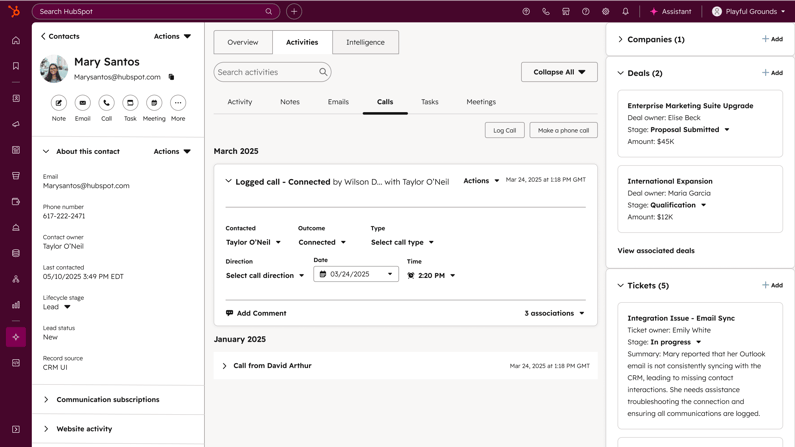
A CRM allows you to gather and organize all customer information in one place: contact details, interaction history, preferences, notes, and opportunities. For an SME, having everything under control means saving time and offering a more personalized service.
Sales tracking and automation
From lead generation to closing a sale, the CRM tracks every stage of the commercial process.
With a clear sales pipeline, SMEs can manage each phase, from initial contact to prospect, qualified lead, conversion, opportunity, close won or close lost, in an organized, structured way.
Automation reduces manual errors and ensures no opportunities slip through the cracks.
Market segmentation
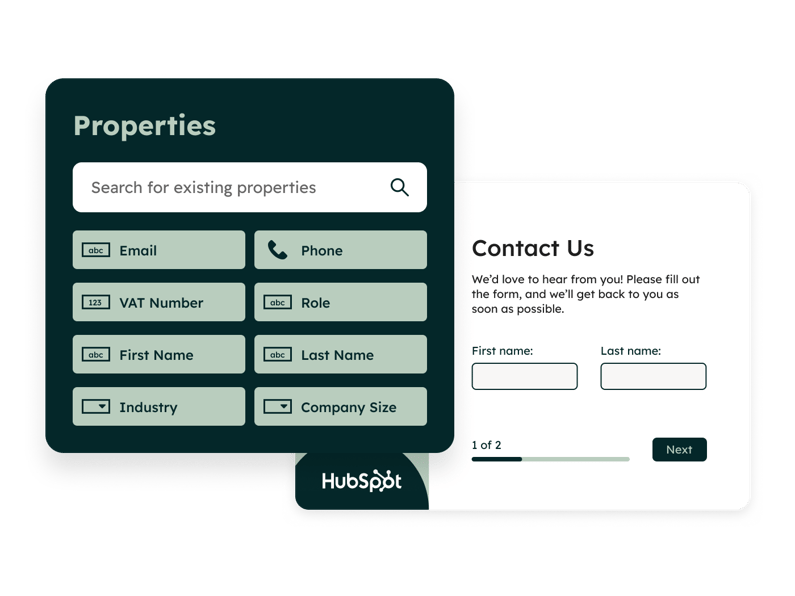
Advanced analytics allow a CRM to segment audiences based on precise criteria: purchase behavior, demographics, interests, and more. It also allows deeper segmentation based on newsletter interactions, past purchases, submitted forms, geographic area, and many other parameters, helping SMEs communicate more effectively.
Marketing automation
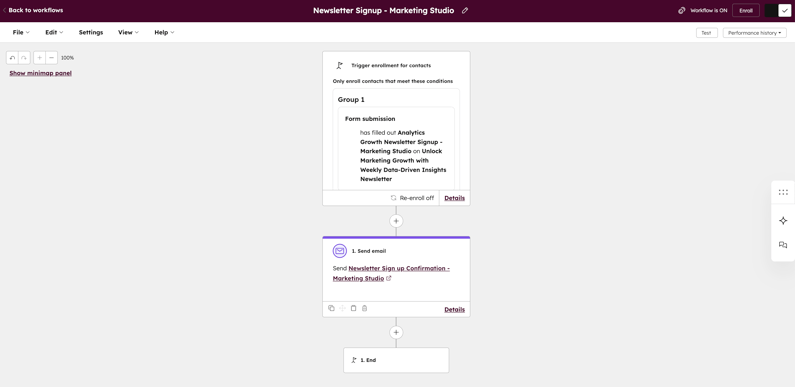
A CRM helps plan, execute, and monitor campaigns based on customer preferences and behavior. With workflows and automation, SMEs can schedule automatic emails, personalized follow-ups, internal notifications, and targeted communications based on user actions—newsletter opens, page visits, quote requests, or content downloads. This keeps customers engaged at the right time, improves efficiency, and boosts conversions without requiring constant manual work.
Customer service management
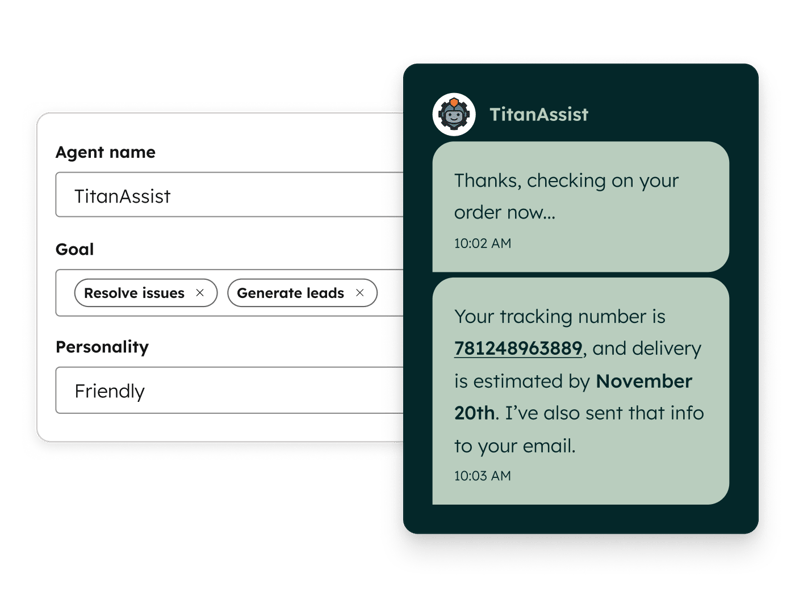
By centralizing all requests, the CRM helps resolve issues or questions quickly, ensuring that no inquiry is forgotten or handled late. Through tickets, interaction timelines and automatically assigned priorities, every customer receives faster and more accurate responses. This is especially important for SMEs, which often build their competitiveness on the quality of their service and their ability to provide timely, personalised and consistent support over time.
Analysis and reporting
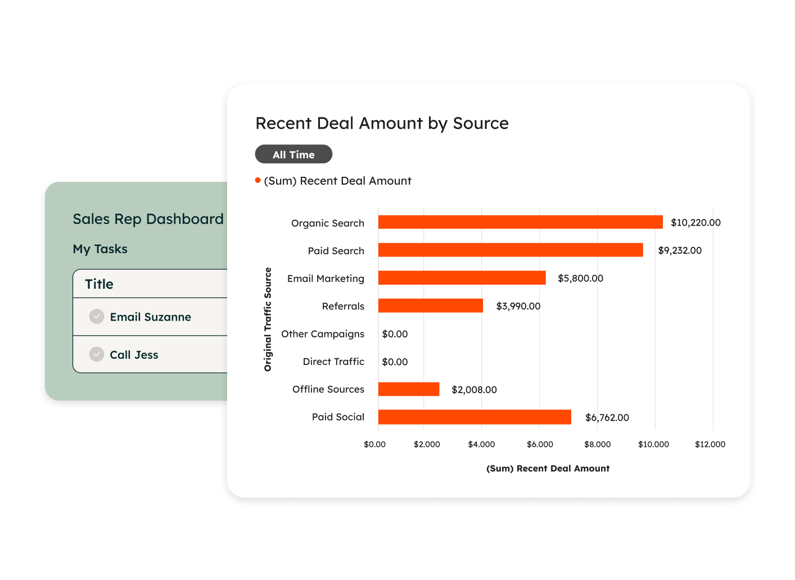
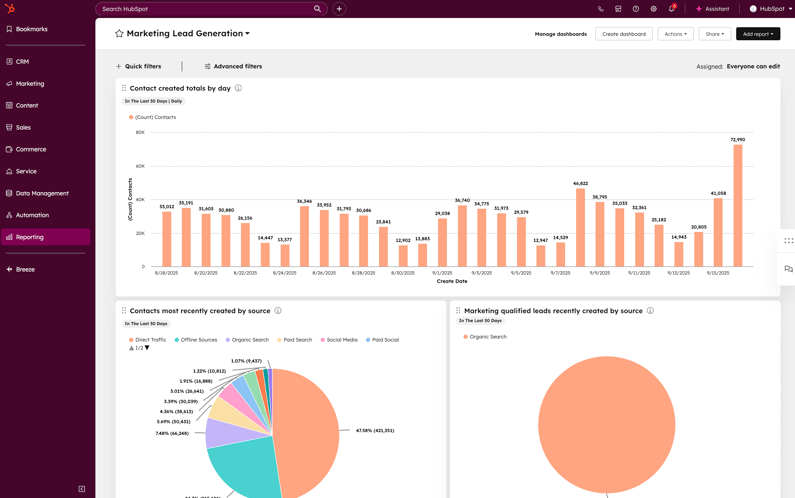
A good corporate CRM provides advanced analytical tools that allow SMEs to monitor, in real time, sales performance, marketing campaign effectiveness, and customer service quality. Intuitive dashboards, customizable reports, and up-to-date metrics enable business owners and managers to make strategic, data-driven decisions, identify new growth opportunities, and optimize existing processes. This approach helps smaller companies compete more effectively with larger and more structured organizations.
Integration with other tools
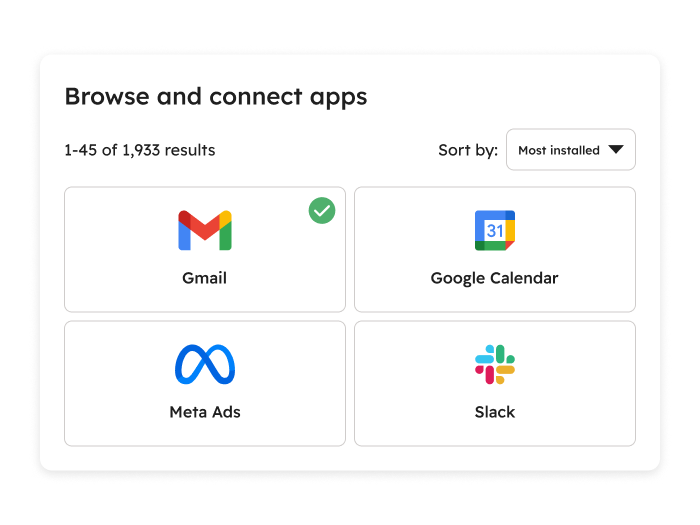
A good CRM integrates easily with accounting software, administrative systems, email marketing tools, e-commerce platforms, project management systems, and many other essential business applications. This ensures a seamless workflow and automates the flow of information across departments.
The benefits of a business CRM
Adopting a CRM offers several advantages for companies of all sizes, especially SMEs:
- improved customer satisfaction through timely and personalized interactions
- increased sales thanks to a better understanding of customer needs
- stronger customer loyalty due to consistent and high-quality service
- optimized internal processes and reduced duplication of tasks
- enhanced cross-team collaboration through centralized data
A CRM enables sales, marketing, and customer service to work in synergy, increasing efficiency and generating new business opportunities.
Who uses the CRM inside a company?
Within an SME, the CRM is used across multiple departments, each with different goals and needs.
Sales teams use it to track every customer interaction, monitor pipeline opportunities, and manage negotiations more effectively, significantly increasing their chances of closing deals.
Marketing teams use CRM segmentation and reporting to create targeted campaigns and analyze results, enabling more personalized and effective communication.
Customer service teams access all necessary information to resolve issues quickly and consistently, improving customer satisfaction.
Management and leadership teams use the CRM as a strategic tool to understand performance, identify growth opportunities, and make data-driven decisions.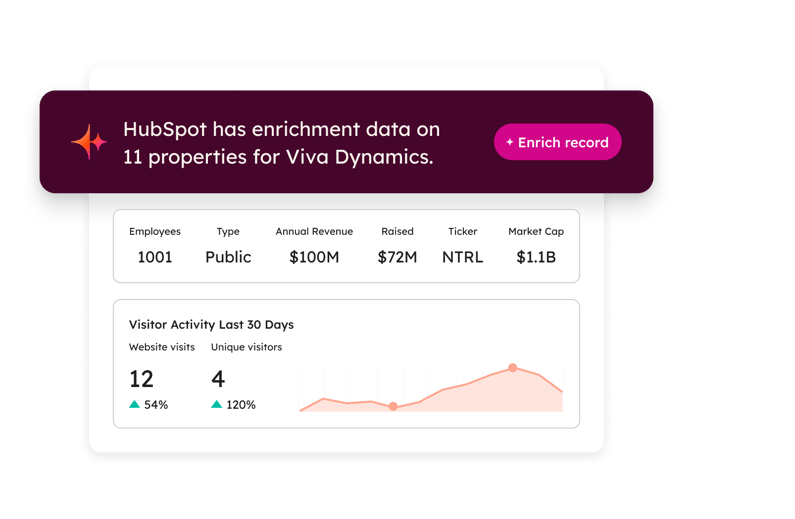
How to choose a good CRM?
Selecting the right CRM depends on the specific needs of each company. Key criteria include:
- Understanding business needs: identifying essential features.
- Ease of use: an intuitive CRM ensures faster adoption and less training.
- Integration capabilities: the CRM must easily connect with accounting, e-commerce, marketing tools, and operational systems.
- Support and guidance: implementation should be accompanied by expert assistance and training.
A thoughtful evaluation always leads to long-term benefits.
Why HubSpot is "the" CRM software for small businesses
Among the CRMs on the market, HubSpot represents one of the most comprehensive, scalable and intuitive solutions ideal for all growing SMEs.
- Free to start
HubSpot offers a completely free CRM with real functionalities: pipelines, contact management, email tracking, dashboards, and tasks. A huge advantage for small businesses. - It grows as you grow
Thanks to modular Hubs (Marketing, Sales, Service, Content, Commerce, Data), companies can start small and add advanced features only when needed. - It is easy to use and fast to implement
The interface is intuitive: salespeople, marketing teams, customer service and management can use it right away, without technical complexities. - It is a truly comprehensive CRM
Automations, email marketing, ticket management, campaigns, lead scoring, advanced reporting-all in one system. - Easily integrates with other tools
HubSpot has over 1,500 integrations: Zoom, Stripe, Google, Canva, Bexio, Whatsapp and many other tools. - It is designed just for SMEs
Scalable, affordable and user-friendly it is a perfect tool for structuring simple or advanced processes.
How we support your SME as a HubSpot Platinum Partner
As a HubSpot Platinum Partner, we guide small and medium-sized businesses through every step of their CRM implementation journey. We begin with an analysis of your business and clear definition of your goals, then build a tailored HubSpot setup designed around your real operational needs.
We take care of the technical setup, integration with the tools you already use, and customization of processes so that the CRM becomes a true growth accelerator. We also provide hands-on training and ongoing support to make your team fully autonomous in daily operations.
Our strategic experience and method allow us to help you achieve measurable, concrete results.
Our team is available to provide a personalized DEMO of the platform and a free consultation, so you can clearly see how HubSpot can support your SME’s growth and process optimization.